The Hidden Mechanism Behind Iran’s ‘Funeral Diplomacy’: Quranic Verses as Geopolitical Signals in the Gulf—and What Changes Next
The funeral of a prominent Iranian ayatollah became a coded stage for Tehran's diplomatic messaging, using select Quranic verses to signal complex alliances and rivalries, with Saudi Arabia keenly observing these subtle cues amidst regional de-escalation efforts.
Community prediction: What happens next?
A signal to monitor, not a certainty forecast.
Why this matters now
The signal: Iran's 'Funeral Diplomacy': Quranic Verses as Geopolitical Signals in the Gulf may reorder priorities faster than the headline suggests.
Who wins, who loses
Advantage goes to actors with decision speed and execution capacity. The exposed are those treating this as an isolated headline rather than a shift in leverage.
“For an audience attuned to these subtle signals, the choice of a particular surah or ayah can carry significant geopolitical weight.”
How effective is 'funeral diplomacy' in shaping Gulf relations?
🔥 Readers are voting live
What happens next
Watch next: the next decision, capital flow, and execution capacity over the next six months.
Evidence & context
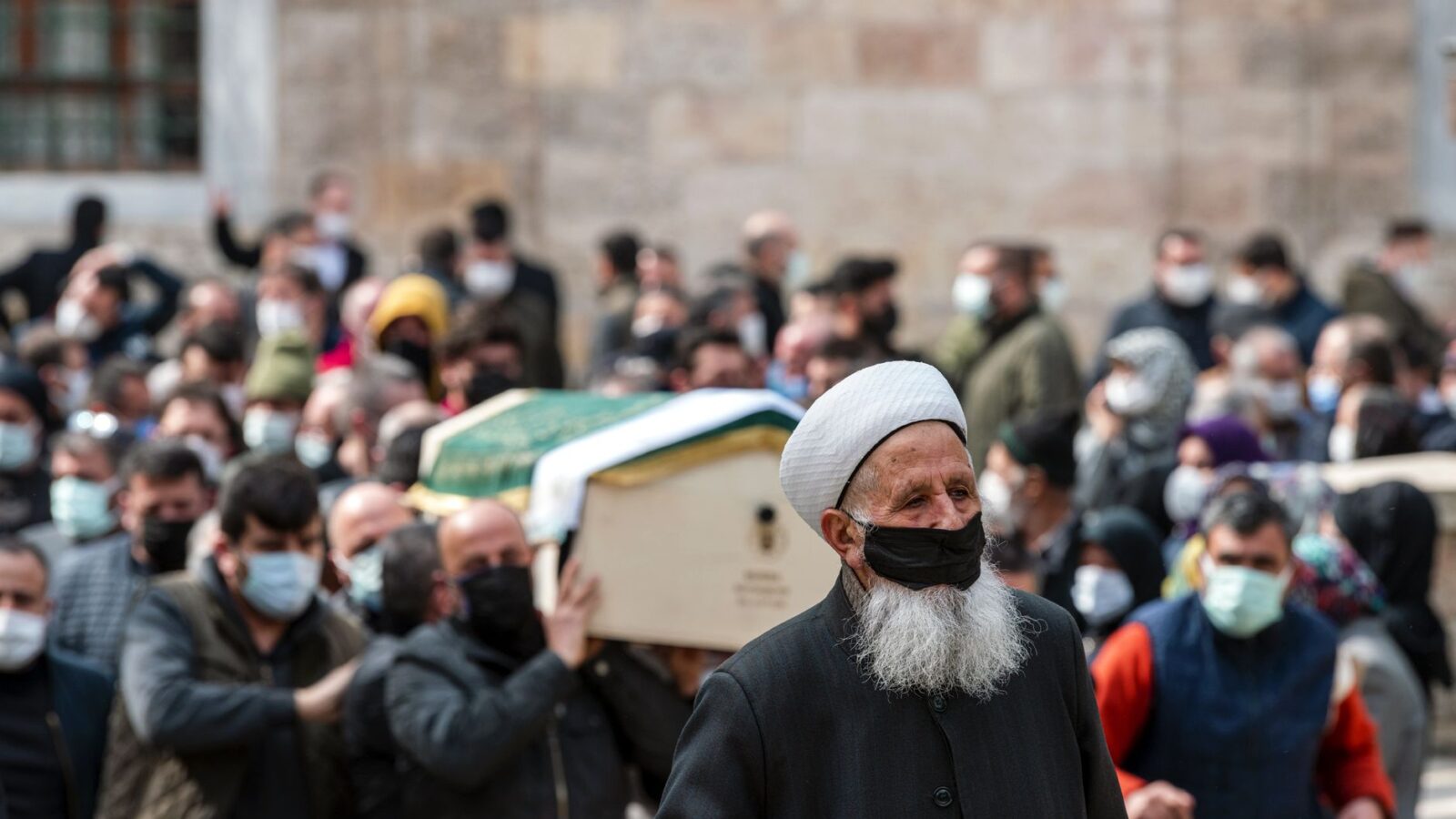
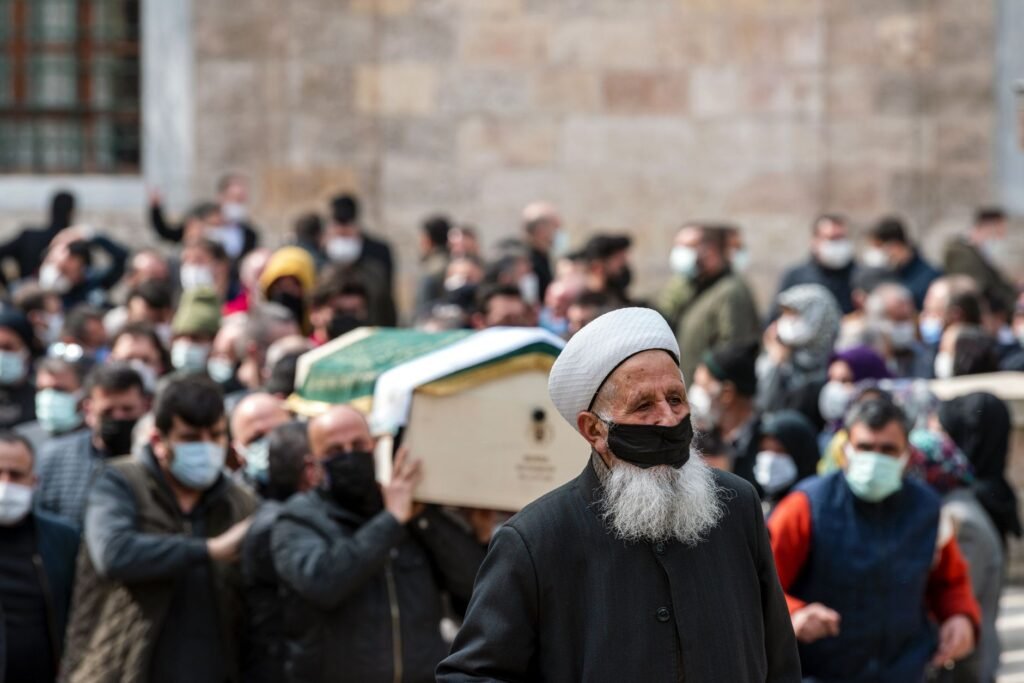
The recent passing of Ayatollah Mohammad-Reza Naseri, a revered figure within Iran's religious establishment, inadvertently provided a sophisticated platform for Tehran's intricate diplomatic maneuvering. As reported by Middle East Eye, the funeral rites, particularly the selection and placement of Quranic verses, served as a highly coded message to both allies and rivals across the Gulf.
This 'funeral diplomacy' transcends a mere display of grief; according to Middle East Eye, it constitutes a sophisticated exercise in signaling intent and power. The specific verses chosen, and who was seen to align with them, reportedly conveyed nuanced messages about Iran's relationships, notably with Saudi Arabia, amidst ongoing efforts to de-escalate regional tensions.
The careful curation of religious texts at such a public event underscores the deep cultural and religious underpinnings of diplomacy in the Gulf. For an audience attuned to these subtle signals, the choice of a particular surah or ayah can carry significant geopolitical weight, indicating shifts in policy or perceived alliances far beyond its immediate religious context.
Observers in Riyadh and across the Gulf would undoubtedly scrutinize these gestures, attempting to decipher whether Iran's actions represent a genuine outreach for de-escalation or a more subtle assertion of influence and veiled strategic warnings. Middle East Eye suggests these acts are open to multiple interpretations, adding layers to an already complex regional dynamic.
The deployment of such religiously-coded messages raises critical questions about the true state of play between Tehran and Riyadh. Is this a sophisticated form of olive branch, or a demonstration of Iran's capacity to communicate its strategic stance without explicit statements? The ambiguity inherent in such communication can itself be a potent tool.
The incident highlights the perennial challenge of navigating Gulf politics, where historical grievances, religious interpretations, and geopolitical ambitions are often inextricably intertwined. As regional powers continue to engage in both overt and covert diplomacy, such events serve as potent reminders of the multi-layered communication channels at play.
Ultimately, how Saudi Arabia and its allies interpret these 'funeral diplomacy' signals will be crucial. It could either pave the way for further dialogue and confidence-building measures or, if perceived negatively, exacerbate existing distrust and tensions in a region perpetually on edge.
Without direct statements from officials, the precise interpretation of these signals remains speculative. However, the report from Middle East Eye underscores the intricate and often veiled nature of communication in the Gulf, where even a funeral can become a high-stakes diplomatic arena.
Sources: Middle East Eye
🗞 National Times Newsroom — AI-assisted editorial desk · Reported by Noura Al-Fahad · Analysis by Dr. Idris Okafor · Edited by Leila Mansour · Sources verified