Aston Martin’s Ultra-Luxury Strategy: A Test Case for Niche Market Resilience
Strategic Foresight
The Valen's limited production and unprecedented power signal a pivot in ultra-luxury automotive strategy, challenging conventional growth metrics.
The starting conditions
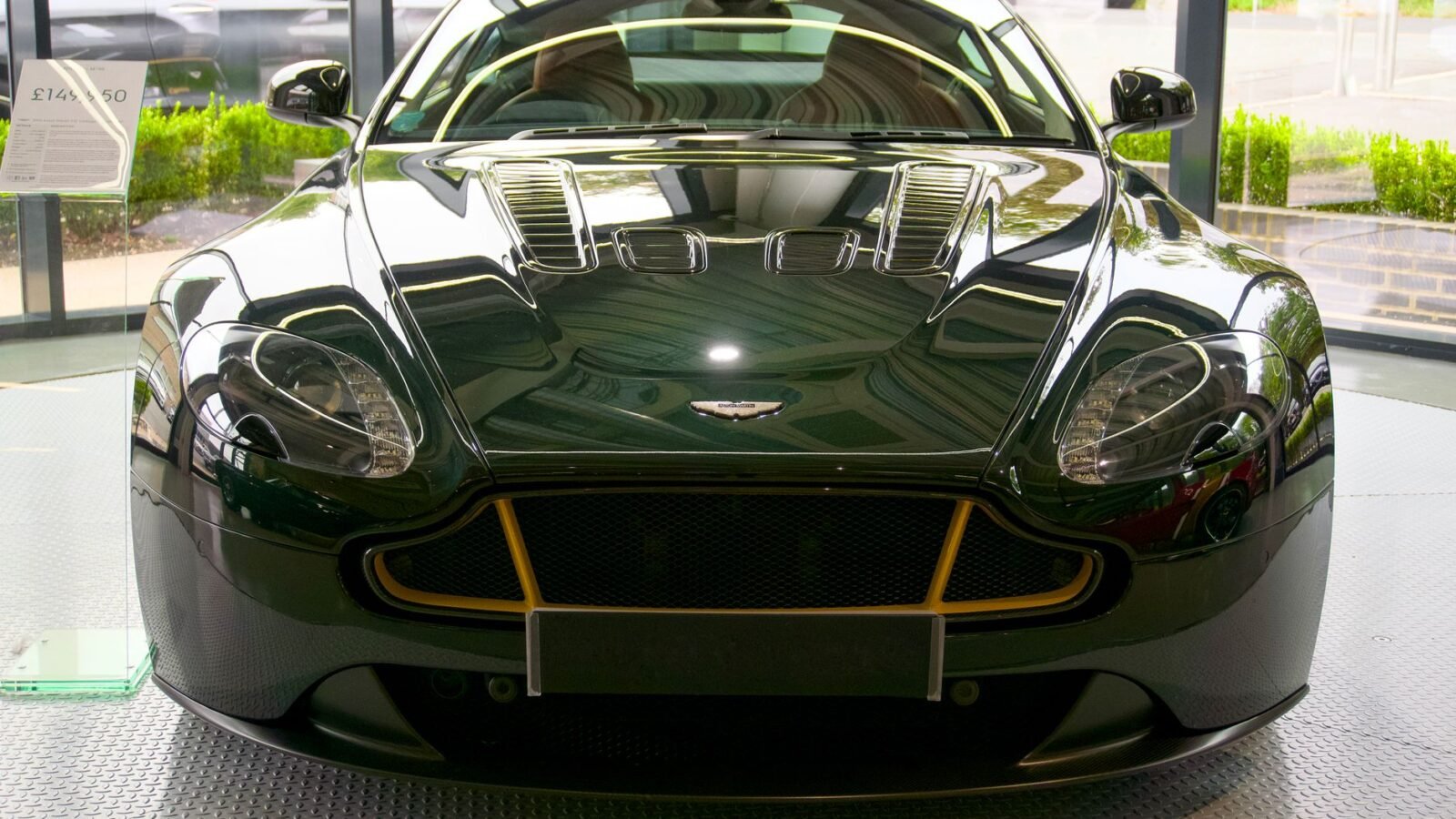
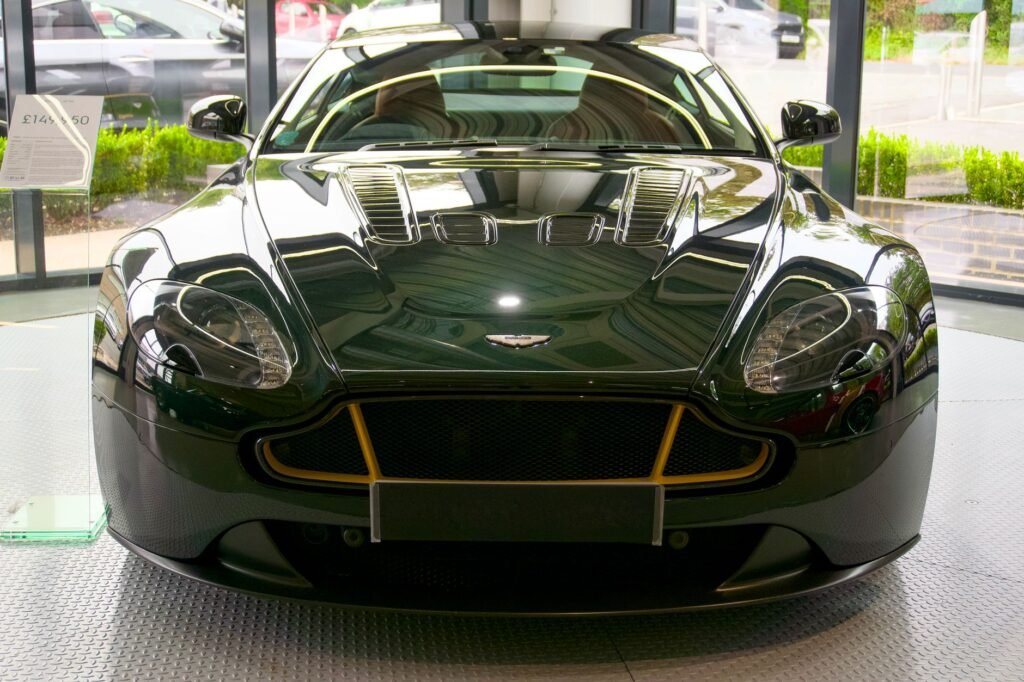
Aston Martin's introduction of the Valen, limited to 150 units globally and billed as its most powerful front-engine vehicle to date, marks a definitive strategic turn. This is not merely a product launch but a statement of intent, signalling a deepened commitment to the ultra-luxury segment through extreme exclusivity. In an automotive landscape increasingly defined by electrification mandates, supply chain fragilities, and a growing bifurcation between mass-market utility and bespoke opulence, Aston Martin appears to be doubling down on the latter. The Valen's positioning suggests a belief that scarcity, coupled with unparalleled performance, can insulate a brand from the broader market pressures affecting higher-volume luxury manufacturers.
The rationale behind such a move is likely multifaceted. It could reflect an analysis that the top tier of wealth accumulation remains robust, even amidst wider economic deceleration. By focusing on a clientele for whom conventional pricing is less of a barrier, Aston Martin may seek to enhance its brand's perceived value and pricing power across its entire range. This strategy implicitly acknowledges that the market for high-volume luxury cars faces increasing competition and regulatory burdens, making a pivot to highly bespoke, low-volume offerings a potentially more sustainable path for maintaining profitability and brand cachet into the next decade.
Scenario one: The 'Hyper-Exclusivity Dividend'
Under this scenario, Aston Martin's Valen strategy proves prescient, delivering significant dividends by 2030. The scarcity of models like the Valen, combined with their engineering prowess, would elevate Aston Martin's brand cachet to new heights, positioning it alongside or even above traditional hypercar manufacturers. The ultra-high-net-worth individual segment, largely impervious to conventional economic cycles, could continue to grow, ensuring sustained demand for such limited-edition vehicles. This sustained demand might enable Aston Martin to command premium pricing not only for its halo cars but also across its broader, albeit still exclusive, product portfolio. The perceived value of ownership would transcend mere transportation, becoming an investment in art and engineering, further insulating the brand from market fluctuations. This scenario posits that the emotional and status-driven aspects of ultra-luxury purchasing will outweigh practical considerations or the emergence of new mobility paradigms for this specific demographic.
Scenario two: The 'Niche Saturation & Demand Erosion'
Conversely, this scenario projects a future where the current trend towards hyper-exclusivity becomes oversubscribed, leading to diminished returns by 2030. If too many luxury marques adopt similar low-volume, ultra-expensive strategies, the market for such vehicles could become saturated, eroding the very exclusivity that underpins their value proposition. Moreover, shifts in global wealth distribution or evolving consumer preferences among the ultra-rich could dampen demand. A new generation of wealth holders might prioritise sustainability, digital integration, or experiential luxury over traditional automotive performance, leading to a decline in the perceived desirability of internal combustion engine-powered 'legacy' hypercars. In this context, the Valen, despite its initial appeal, might struggle to maintain its resale value or collector status, reflecting a broader disillusionment with purely performance-driven, high-carbon luxury goods. This scenario would imply that even the ultra-wealthy are not immune to changing cultural values and technological shifts.
Scenario three: The 'Regulatory Headwind & Brand Re-evaluation'
This scenario anticipates that by 2030, increasing global regulatory pressures and a heightened focus on environmental sustainability could fundamentally reshape the ultra-luxury automotive market. While limited-edition internal combustion engine vehicles might initially escape the most stringent emissions mandates applied to mass-market vehicles, a sustained global push towards decarbonisation could lead to punitive taxes, restrictions on use, or a significant public perception shift against such vehicles. In this environment, even the ultra-wealthy might find their ability to enjoy or even own such vehicles constrained. Aston Martin could then face a critical juncture, needing to rapidly pivot its hyper-exclusive strategy towards electric or alternative-fuel powertrains, potentially undermining the 'traditional' performance narrative that defines models like the Valen. The brand's ability to maintain its prestige would depend on its agility in re-defining luxury performance within a radically altered regulatory and societal framework, rather than purely on the merits of its current offerings.
Wildcards that would break every scenario
Several unforeseeable developments could fundamentally disrupt these projections. A widespread, sustained global economic depression, impacting even the highest echelons of wealth, would undoubtedly undermine demand for ultra-luxury goods and could force a radical restructuring of marques like Aston Martin. Conversely, a technological breakthrough in sustainable synthetic fuels that allows internal combustion engines to be carbon-neutral could completely revitalise the market for performance vehicles, negating the environmental pressures outlined in Scenario Three. Geopolitical instability leading to severe trade restrictions or resource scarcity could also disrupt production and supply chains to an extent that makes limited-run manufacturing unfeasible. Finally, a dramatic shift in cultural values among the global elite, moving away from ostentatious displays of wealth towards more understated or philanthropic pursuits, could fundamentally alter the very definition of automotive luxury and desirability, rendering current strategies obsolete.
Strategic implications
For Aston Martin, the strategic implications of these scenarios are profound. Navigating towards 2030 will require an acute awareness of both market sentiment within the ultra-luxury segment and broader macro-environmental shifts. If Scenario One materialises, the current strategy of hyper-exclusivity would need to be reinforced, potentially through even more bespoke offerings and tailored ownership experiences. The challenge would be to maintain genuine scarcity without alienating potential future clients. Should Scenario Two unfold, a re-evaluation of product strategy, perhaps towards a greater emphasis on experiential luxury or technological innovation within a slightly broader, but still exclusive, market segment, might become necessary. The brand would need to find new ways to differentiate beyond pure rarity. In the event of Scenario Three, a rapid and decisive pivot towards electric or alternative-fuel ultra-luxury vehicles would be paramount, requiring significant investment in R&D and a careful communication strategy to redefine Aston Martin's performance credentials for a new era. The underlying tension remains: how does a brand built on a century of internal combustion heritage adapt to a future that may increasingly devalue it, while simultaneously leveraging that heritage for its most exclusive offerings?
Scenario matrix
| Scenario | Probability | Confirming trigger |
|---|---|---|
| The 'Hyper-Exclusivity Dividend': Sustained growth in ultra-high-net-worth individuals drives robust demand for limited-edition vehicles, elevating Aston Martin's brand prestige and pricing power across its portfolio. | 45% | Aston Martin reports continued strong order books for limited-edition models, with resale values consistently above initial pricing in secondary markets. |
| The 'Niche Saturation & Demand Erosion': Over-proliferation of hyper-exclusive models by multiple brands, combined with evolving preferences among the wealthy, leads to a decline in the perceived value and desirability of such vehicles. | 35% | Multiple ultra-luxury marques report slower sales for new limited-edition models, or secondary market values for recent hypercars begin to depreciate significantly within 2-3 years of launch. |
| The 'Regulatory Headwind & Brand Re-evaluation': Stricter global environmental regulations and shifting societal values create a challenging environment for internal combustion engine-powered hypercars, forcing Aston Martin to rapidly pivot its exclusive offerings towards sustainable powertrains. | 20% | Major economies introduce new 'luxury car taxes' or urban access restrictions specifically targeting high-emissions, low-volume vehicles, and Aston Martin announces accelerated timelines for full electrification of its bespoke models. |
Probabilities are estimates, not certainties. They are published so the forecast can be scored later.
Source material: Bloomberg Markets