Gaza’s Agricultural Reconstruction: Resilience or Strategic Precarity?
Trending Global
The emergence of small-scale agricultural projects in Gaza signals a return to cultivation, but their long-term viability remains a critical question.
What just happened
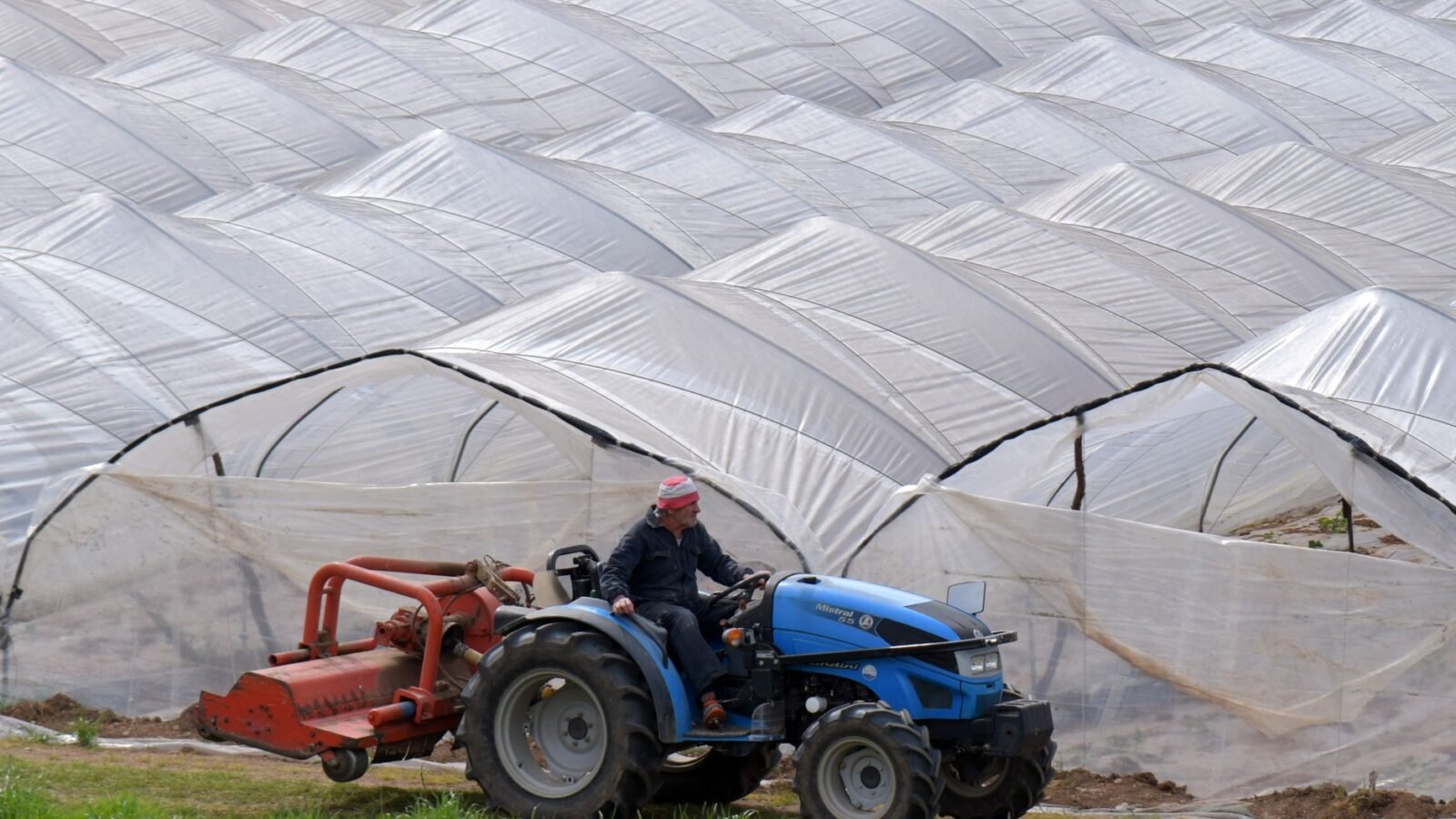
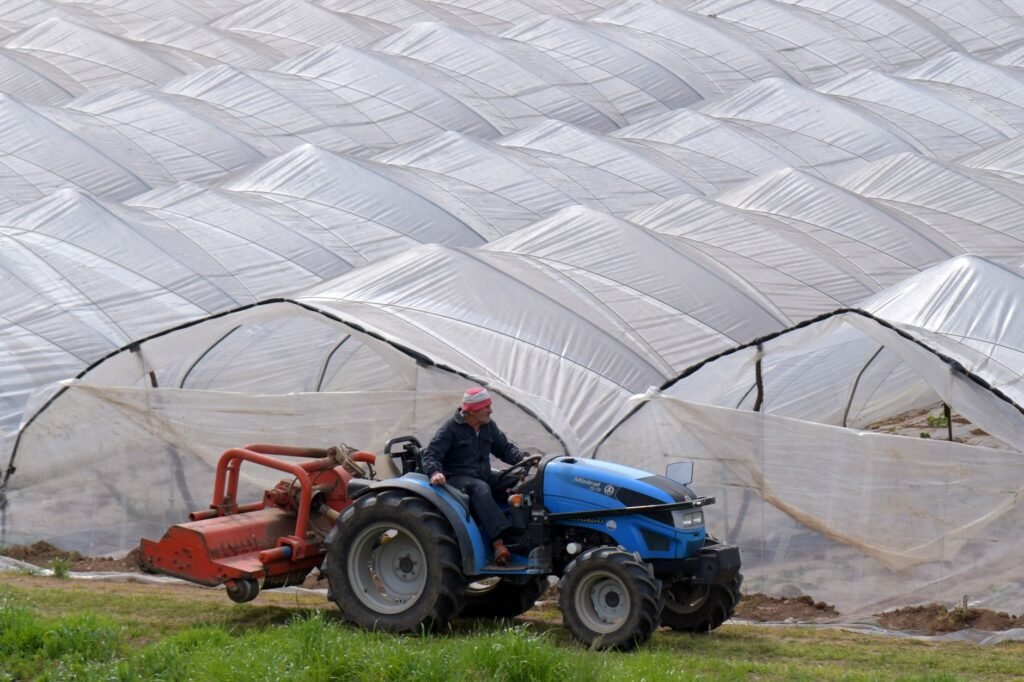
Against a backdrop of extensive destruction, small-scale agricultural projects, including greenhouses and rented plots, are providing a means for some farmers in Gaza to resume cultivation. These initiatives represent a localised effort to restore food production and livelihoods in an area where much of the agricultural infrastructure has been severely damaged. The focus is on adaptable, smaller-footprint farming methods that can be implemented with comparatively fewer resources and on fragmented land parcels, offering a measure of immediate economic activity and sustenance for affected communities.
Why it is contested
The emergence of these projects, while offering a tangible return to productivity, elicits competing interpretations regarding their strategic significance. One perspective views these efforts as a testament to local resilience and ingenuity, laying a foundation for self-sufficiency in a challenging environment. This reading suggests that by enabling farmers to restart production, even on a reduced scale, these projects contribute to food security and economic agency. The strongest objection to this view is that it risks overstating the capacity of localised, small-scale efforts to offset systemic damage and ongoing geopolitical constraints, potentially normalising conditions that are fundamentally unsustainable without broader structural changes.
Conversely, another interpretation frames these projects not as a path to recovery but as a necessary, yet precarious, adaptation to enduring structural limitations. This perspective argues that while vital for immediate survival, such initiatives do not fundamentally address the underlying issues of land access, water scarcity, market disruption, and the broader economic blockade. The strongest objection here is that dismissing these efforts as merely 'precarious' overlooks their critical role in preventing complete collapse and providing essential humanitarian relief and dignity in the absence of more comprehensive solutions. It risks devaluing genuine local agency by focusing solely on macro-level impediments.
The competing narratives
The primary narrative advocating for the long-term potential of these small-scale projects centres on their capacity to foster resilience and local economic empowerment. Proponents argue that by cultivating smaller, more intensive plots, farmers can achieve higher yields per square metre, diversify crops, and potentially create localised food systems less reliant on external supply chains. This interpretation posits that the flexibility inherent in these operations allows for quicker adaptation to changing conditions and resource availability, making them a viable model for sustainable agriculture in conflict-affected regions. The emphasis is on the bottom-up agency and the potential for these initiatives to grow organically, eventually contributing to a more robust agricultural sector.
The counter-narrative, however, stresses the inherent limitations and vulnerabilities of such projects when viewed as a substitute for comprehensive reconstruction. Critics contend that while admirable, these efforts operate within a severely degraded environment, lacking consistent access to essential inputs, stable markets, and the necessary infrastructure (e.g., irrigation, storage, transport) to scale effectively. This reading suggests that without significant external investment, guaranteed access to resources, and a lifting of broader restrictions, these small-scale ventures will remain perpetually on the margins, unable to provide true food sovereignty or economic stability. The concern is that they become a symbol of coping rather than a genuine pathway to recovery, potentially masking the need for more substantial, systemic interventions.
What to watch next
The critical indicators for discerning the trajectory of these agricultural projects will be their ability to scale beyond immediate subsistence and their integration into broader market mechanisms. Observers should monitor whether these initiatives attract sustained investment, both local and international, and if they can overcome logistical hurdles in accessing essential agricultural inputs and distributing produce. The degree to which they can diversify crop types beyond basic staples will also be telling. Furthermore, the evolution of market access, particularly the ability to export surplus produce, will reveal whether these projects are merely sustaining livelihoods or genuinely contributing to economic growth. Any shift in the broader political and economic environment that impacts the flow of goods and capital will be paramount in determining their ultimate fate.
The bottom line
While the emergence of small-scale agricultural projects in Gaza offers a critical lifeline and demonstrates remarkable local resilience, the fundamental question remains: are these initiatives a nascent foundation for a self-sufficient future, or a testament to the enduring precarity of life under severe constraints? The answer hinges not merely on the ingenuity of individual farmers, but on the unresolved tension between localised adaptation and the systemic conditions that necessitate such adaptations in the first place.
Source material: Al Jazeera – Breaking News, World News and Video from Al Jazeera